Conceptual Design Idea + Research

I have chosen to create an animation based on choice two: A moving planetary or atomic animation inspired by the work of Alexander Calder. As part of this animation, I am required to demonstrate a form of metamorphosis.  

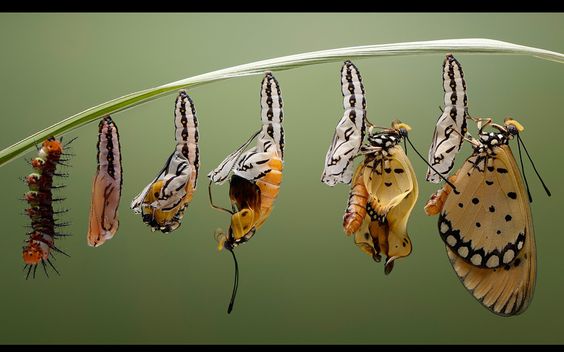
The biological transition from caterpillar to butterfly

The concept of metamorphosising has been a point of inspiration of designers and artists for many years. Metamorphism is a process of transformation between states, turning from one form to another. Coming from the Greek word for ‘change of form (Tremper, 2023), an example of metamorphosis is that of a caterpillar turning into a butterfly,.

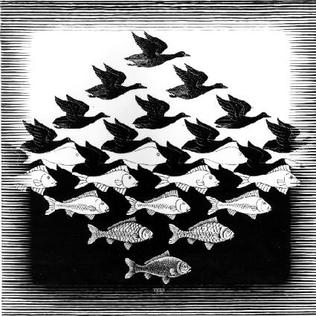
Sky and Water I (M.C Escher, 1938)

Here we can see an example of how artist M.C Escher has created a metamorphosis between the forms of fish and birds, showing the transition from top to bottom of the frame. This can also be seen as the transition between water and air, as we see the fish at the bottom and the birds at the top of the frame. The metamorphism takes place within the negative space, where the separation between the forms becomes unclear as they unite into one. Escher would go on to explore metamorphism in more of his tessellations, using seamless patterns and negative space to evolve from one form to another.

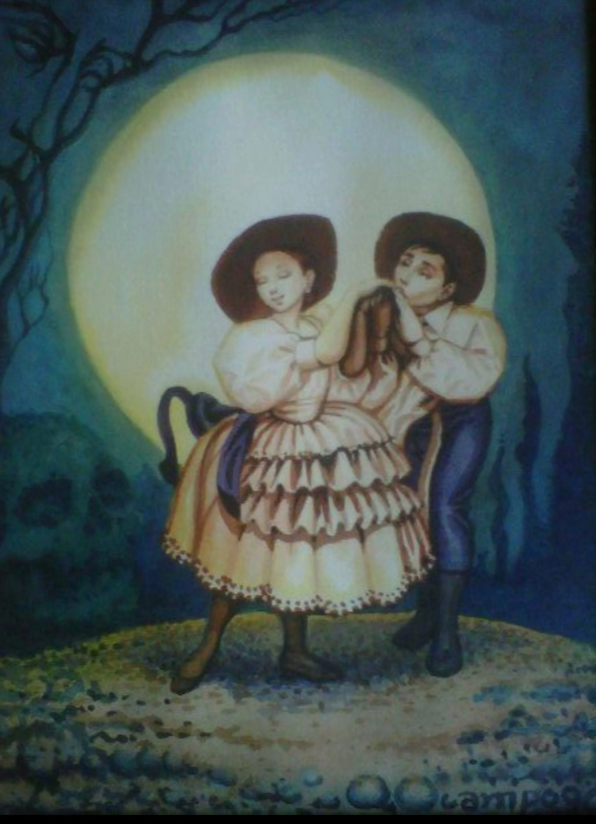
Untitled (Octavio Ocampo, nd)

Another example can be found in the works of Octavio Ocampo, a Mexican artist who was famed for his surrealist paintings which appeared to transform as the viewer observed them.


“The longer one looks at his work, the more that is revealed. Faces come into focus at a distance and metamorphose into something else entirely in close up. Flowers become faces, mountains speak to each other, and mourners over a coffin become the face of Christ. His works are full of symbolism, endlessly fascinating, each revealing a new facet, different to each viewer.” (Airey, 2007).


This example at first appears to be two young people under a moonlight sky, but upon closer inspection, transforms to a skull – merging life and death. The painting quickly turns to something more haunting and sinister as the forms begin to merge.

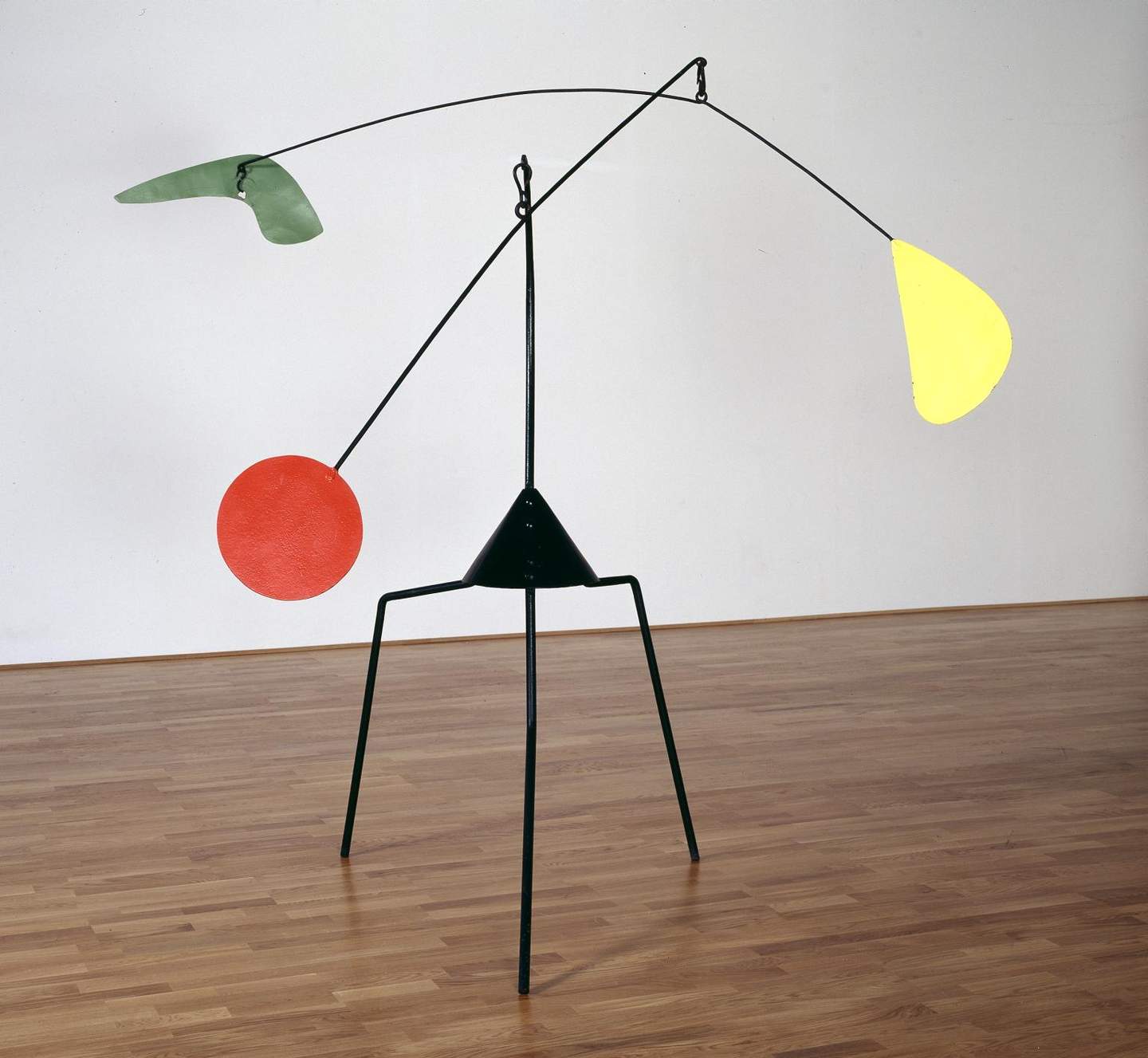
One of Alexander Calder's sculptures on display in the Tate gallery. (Untitled, 1937)

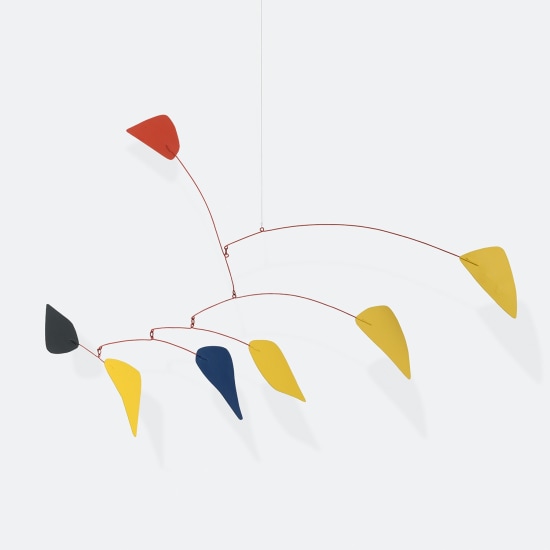
American sculptor Alexander Calder was most well-known for the innovation of the wire sculpture and the mobile. Coined by artist Marcel Duchamp, the mobile was a form of sculpture that relied on air suspension, balance, and meticulous weighting to form gracious, large-scale pieces which had not been seen before. (Tate, 2024)

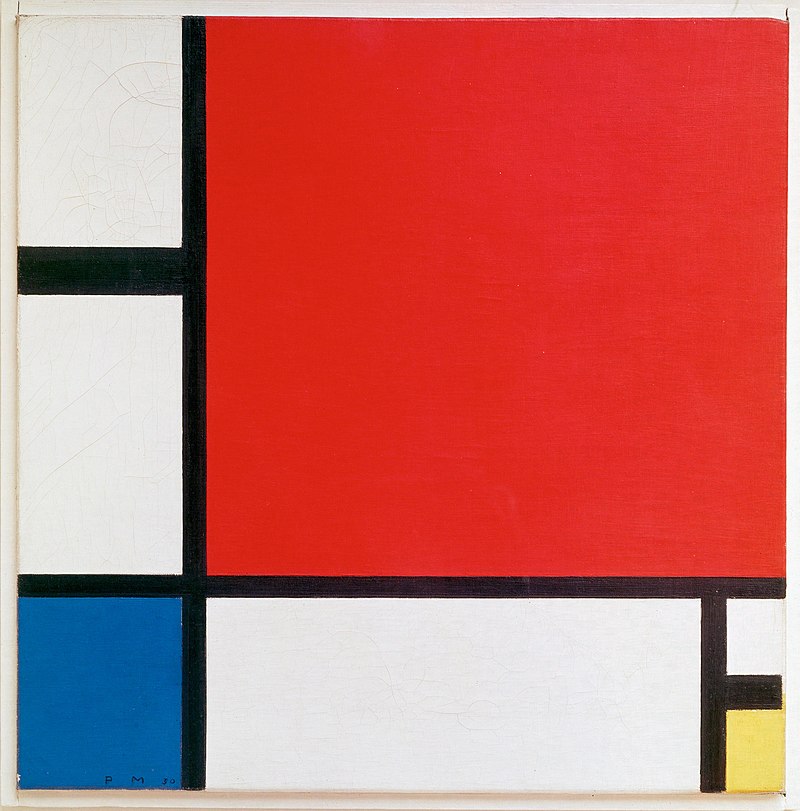
Composition II in Red, Blue, and Yellow, 1930 by Piet Mondrian
Plutôt Jaune, 1965 by Alexander Calder

The inspiration for Calder’s mobiles came after conversing with Piet Mondrian, with Calder saying; 


“I suggested to Mondrian that perhaps it would be fun to make these rectangles oscillate. And he, with a very serious countenance, said: ‘No, it is not necessary, my painting is already very fast.’… This one visit gave me a shock that started things.” (Calder, 1930)


It is evident how Mondrian’s work inspired Calder to turn the two-dimensional into three-dimensional. Note the similar use of primary colour schemes, an aspect which Mondrian was very famous for.

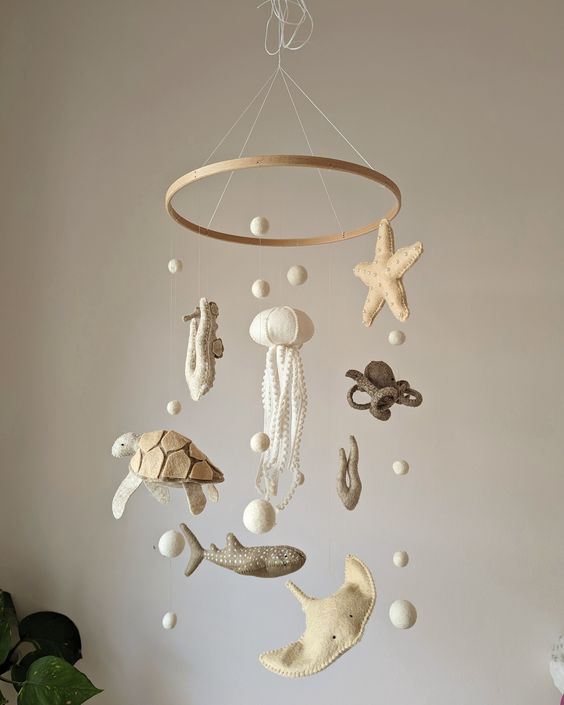
Hanging mobiles are common in babies nurseries over cribs
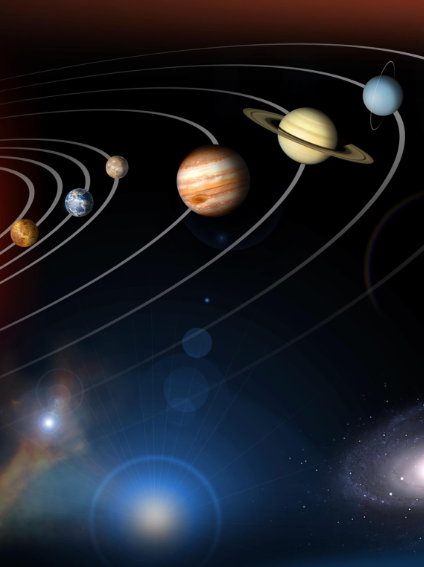
Calder's mobiles resemble planetary solar systems. The orbits act as the wire, and the planets act as the figures.

Calder’s innovation has evolved over time, with mobiles been seen in bedrooms, baby’s cribs and displays. His work has an almost planetary aspect, which has inspired me to create a solar system inspired by his delicate air-borne mobiles that almost seem to orbit in a comparable manner. I will then use the rounded forms of the planets and solar system to form a metamorphosis into something completely different.  

References:

Airey, David (2007) The Fine Art of Octavio Ocampo [Article]. Available online: https://www.davidairey.com/octavio-ocampo-art [Accessed: 19/03/2024]


Calder, Alexander (1930) Alexander Calder speaking about Piet Mondrian [Quote]. Available online: https://www.tate.org.uk/art/artists/alexander-calder-848/who-is-alexander-calder [Accessed: 19/03/2024]


Calder, Alexander (1965) Plutôt Jaune [Image]. Available online: https://www.artnet.com/artists/alexander-calder/plut%C3%B4t-jaune-MrAWjzQRQ7La8psZYwEZZw2 [Accessed: 19/03/2024]


Dayusasono, Rhonny (2016) An ugly caterpillar transforms into a beautiful butterfly [Image]. Available online: https://www.telegraph.co.uk/news/picturegalleries/earth/12174780/Animal-pictures-of-the-week-26-February-2016.html?frame=3582581 [Accessed: 19/03/2024]


Escher, M.C (1938) Sky and Water I [Image]. Available online: https://en.wikipedia.org/wiki/Sky_and_Water_I#/media/File:Sky_and_Water_I.jpg [Accessed: 19/03/2024]


Mondrian, Piet (1930) Composition II in Red, Blue, and Yellow [Image]. Available online: https://en.wikipedia.org/wiki/Piet_Mondrian#/media/File:Piet_Mondriaan,_1930_-_Mondrian_Composition_II_in_Red,_Blue,_and_Yellow.jpg [Accessed: 19/03/2024]


National Geographic (2019) Solar System [Image]. Available online: https://www.nationalgeographic.com/science/article/the-solar-system [Accessed: 19/03/2024]


Ocampo, Octavio (nd) Untitled [Image]. Available online: https://www.artland.com/artworks/octavio-ocampo-untitled [Accessed: 19/03/2024]


Tate (2024) Who is Alexander Calder? [Article]. Available online: https://www.tate.org.uk/art/artists/alexander-calder-848/who-is-alexander-calder [Accessed: 19/03/2024]


TheGreatGrandchild (2024) In the Ocean Beige [Image]. Available online: https://www.thegreatgrandchild.co.uk/shop/p/c3uv6snm392m81ian70hyzj0me0n19 [Accessed: 19/03/2024]


Tremper, Aaron (2023) Explainer: What is metamorphosis? [Article]. Available online: https://www.snexplores.org/article/explainer-animal-metamorphosis [Accessed: 19/03/2024]