In my final 3D animation, I have employed Tufte’s five theories of design.
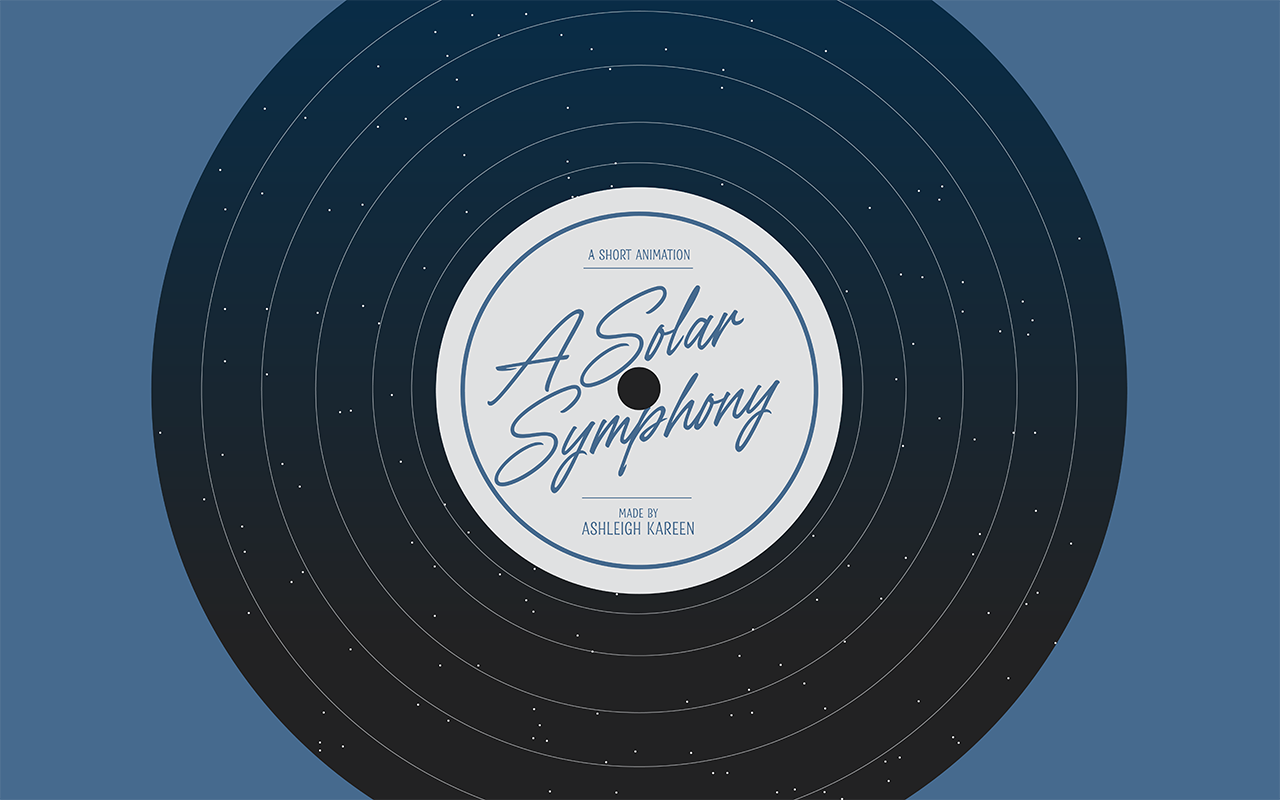
To begin, I created a title card. My title card shows use of micro/macro readings as it is designed to look both like a vinyl record, but also a field of stars within a solar system. Tufte describes micro/macro readings as delivering viewers “a freedom of choice, that derives from an overview, a capacity to compare and sort through detail” (Tufte, 1990).
The vinyl record is the macro in this design, as it is larger and more obvious. The stars are the micro, as they are a secondary detail which are noticed later than the record. This theory ties into the gestalt principle of the law of perception where “our brain automatically distinguishes elements in the foreground or background of an image” (Timmers, nd)
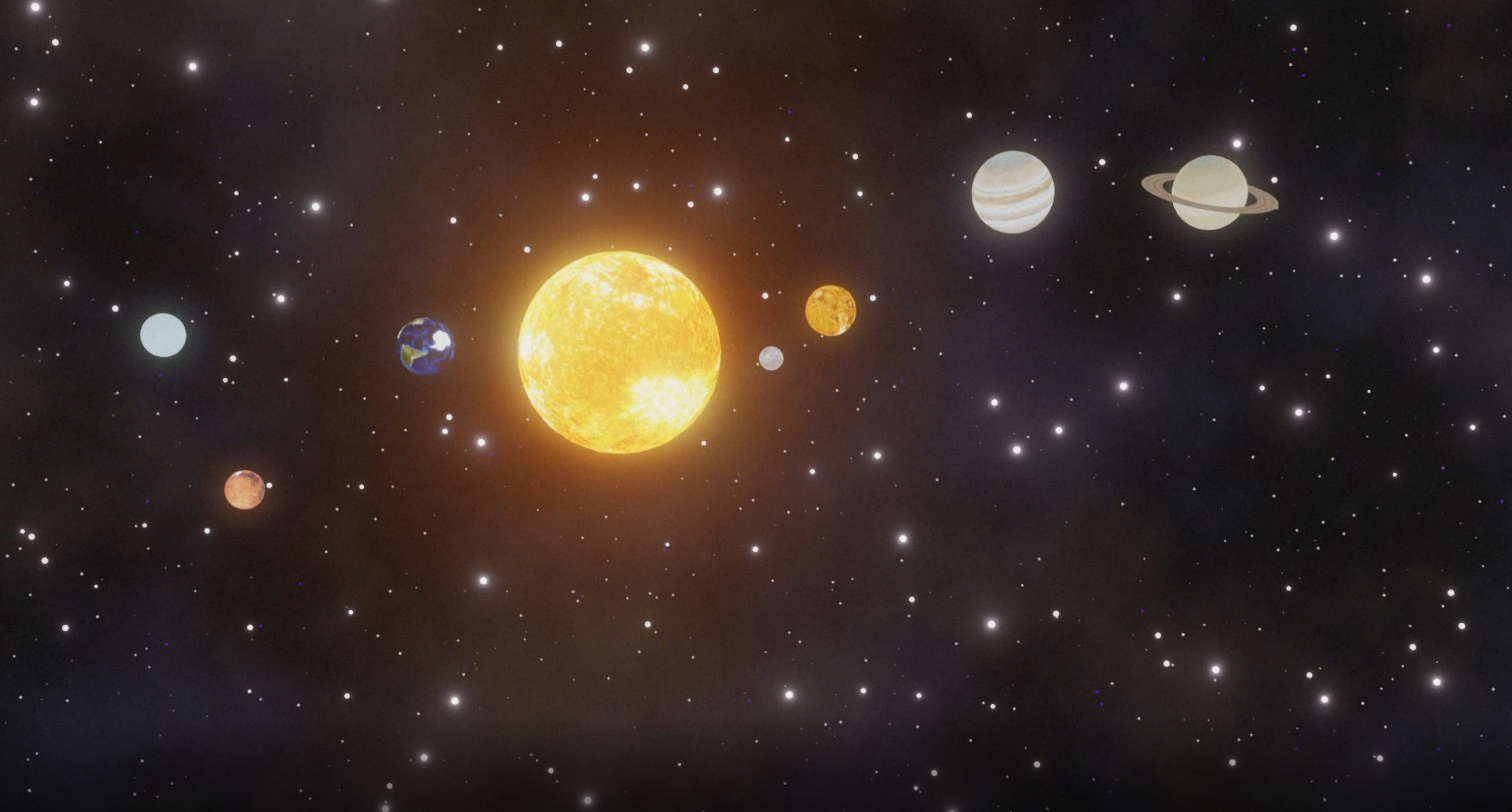
To create small multitudes, I used different size spheres to distinguish between the planets in my animation. This prevents confusion as there are many items which are visually similar in shape. This was easy to incorporate as the planets within the solar system differ in size naturally, so it equals more realism and makes the planets more recognizable when we see them so close together.
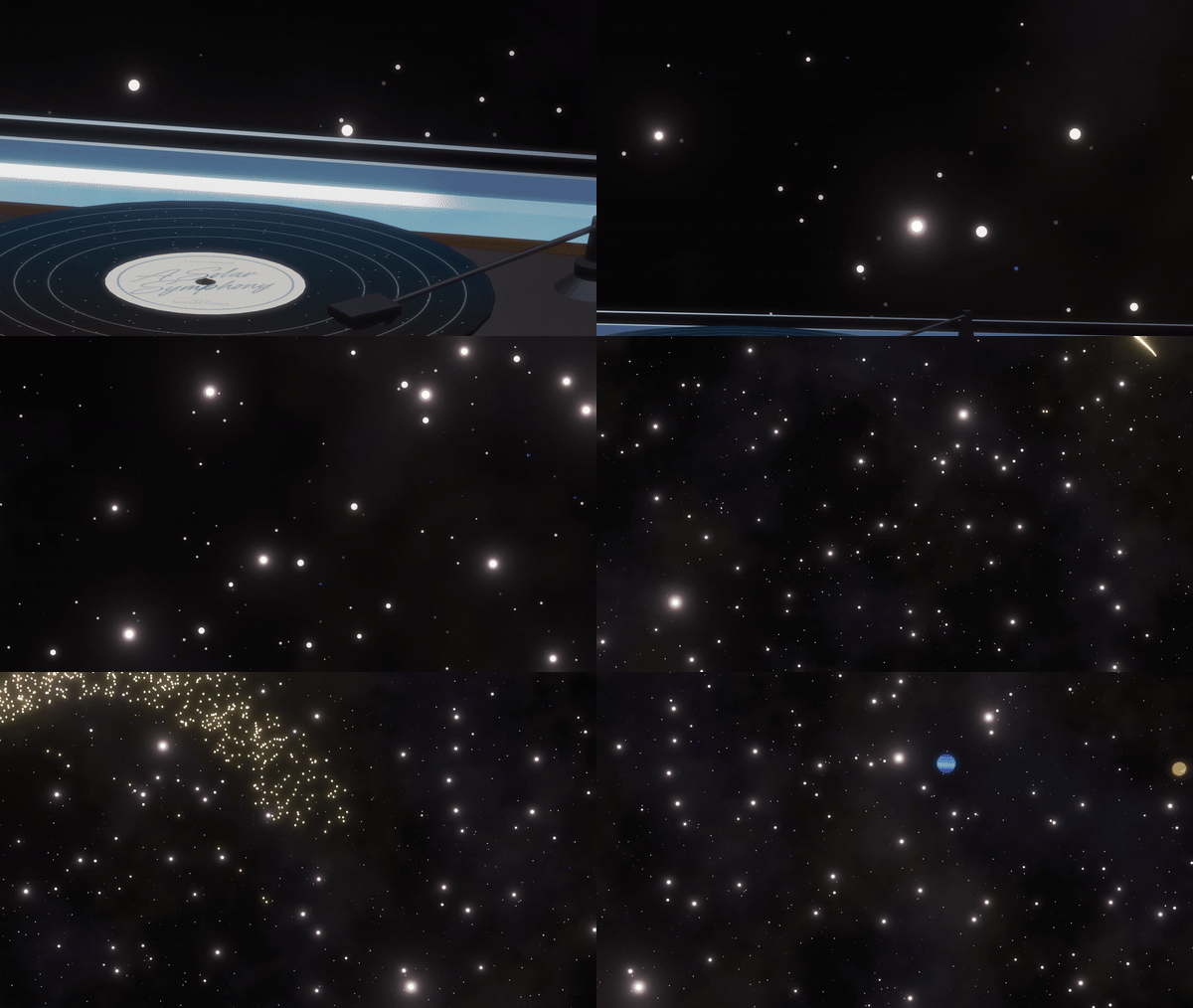
I also created an environment showing a field of stars, using similar principles to create the illusion of depth and to make the environment look endless by varying the size and brightness of stars. I did this using multiple node settings to form layers of different stars, which also links to Tufte’s theory on layering and separation, as well as micro/macro readings.
During the animation, I added little details in both the foreground and the background, using layering and separation to make the environment feel more immersive and dimensional. In this GIF, you can see how by using the depth of field camera settings, it feels as if we are moving through the scene. We zoom out from the record player before zooming in and through the window into space, where I added details to the foreground and background to create an illusion of depth and scale. I made a shooting star for the far distance, and some floating asteroids closer up. The layering of these objects and positioning creates a more engaging composition so the animation doesn’t feel one dimensional or flat.
“An especially effective device for enhancing of time-series displays is to add spacial dimensions to the design to the graphic, so that the data are moving over space (in two or three dimensions) as well as over time” (Tufte, 1983)
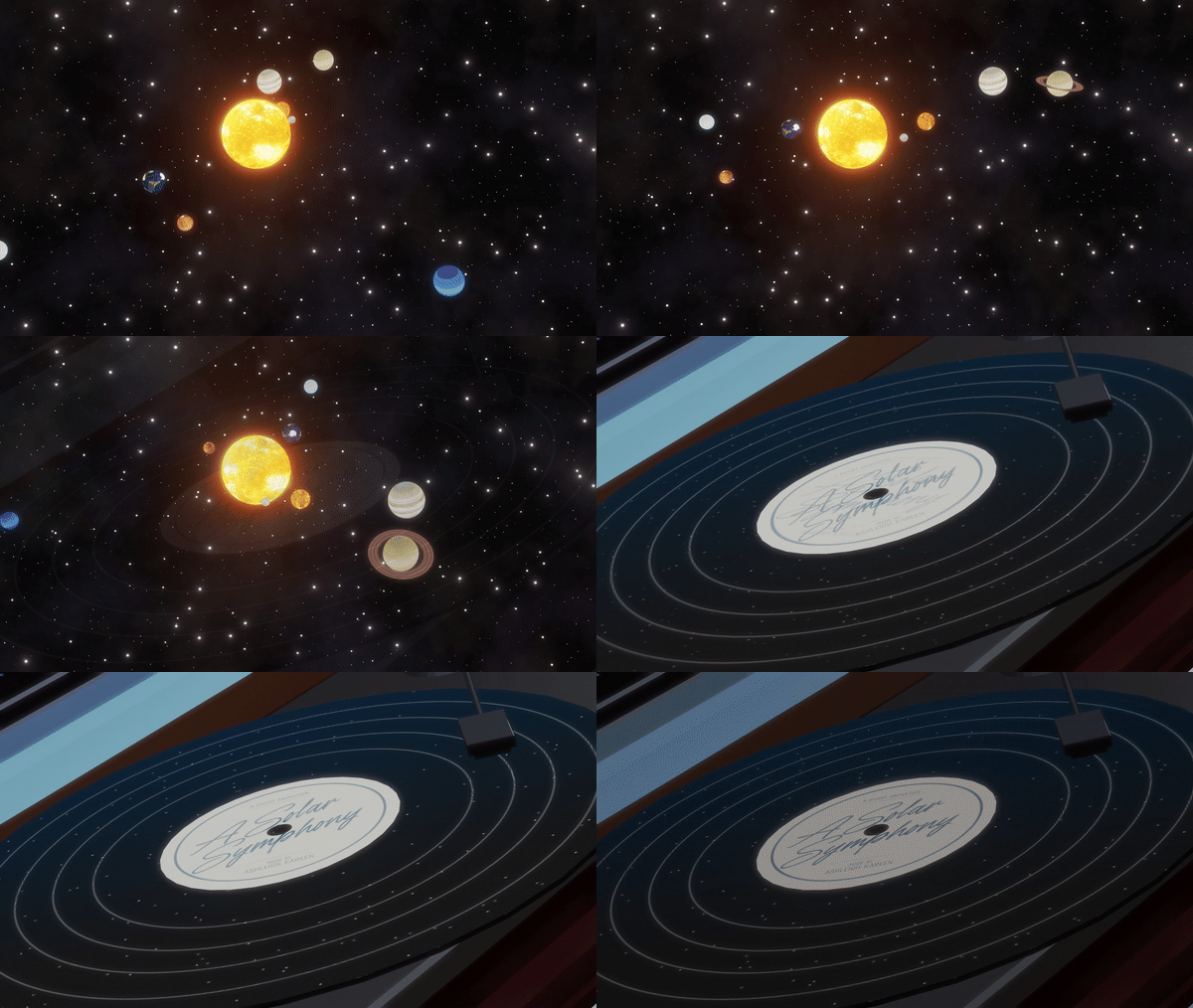
This GIF also demonstrates a narrative over space and time as we are moving from inside the spacecraft to outer space. This is taking place over a period of time and is progressing the narrative along. This is also evident during the transition within my animation, where the solar system transforms into the spinning record.
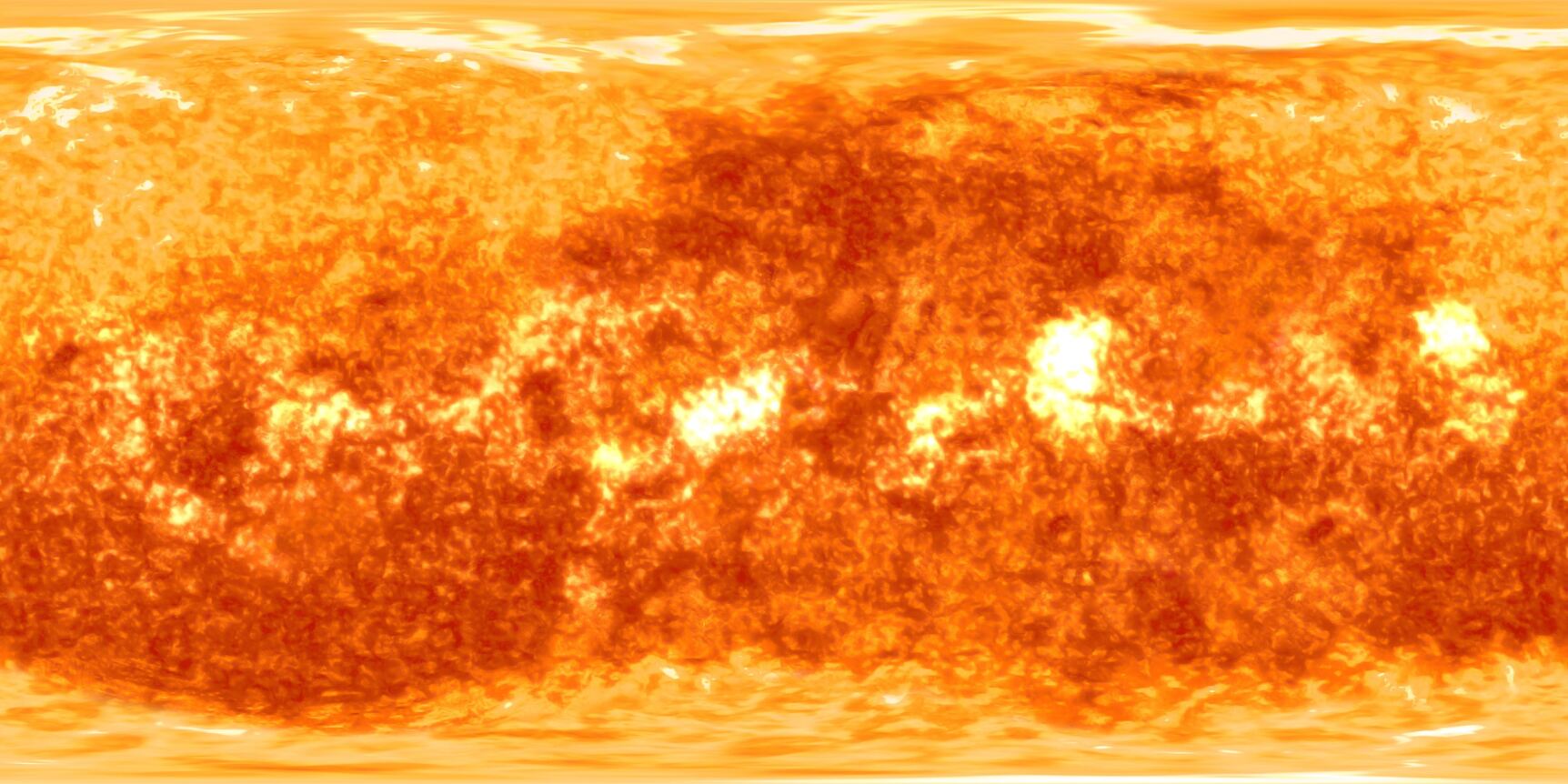
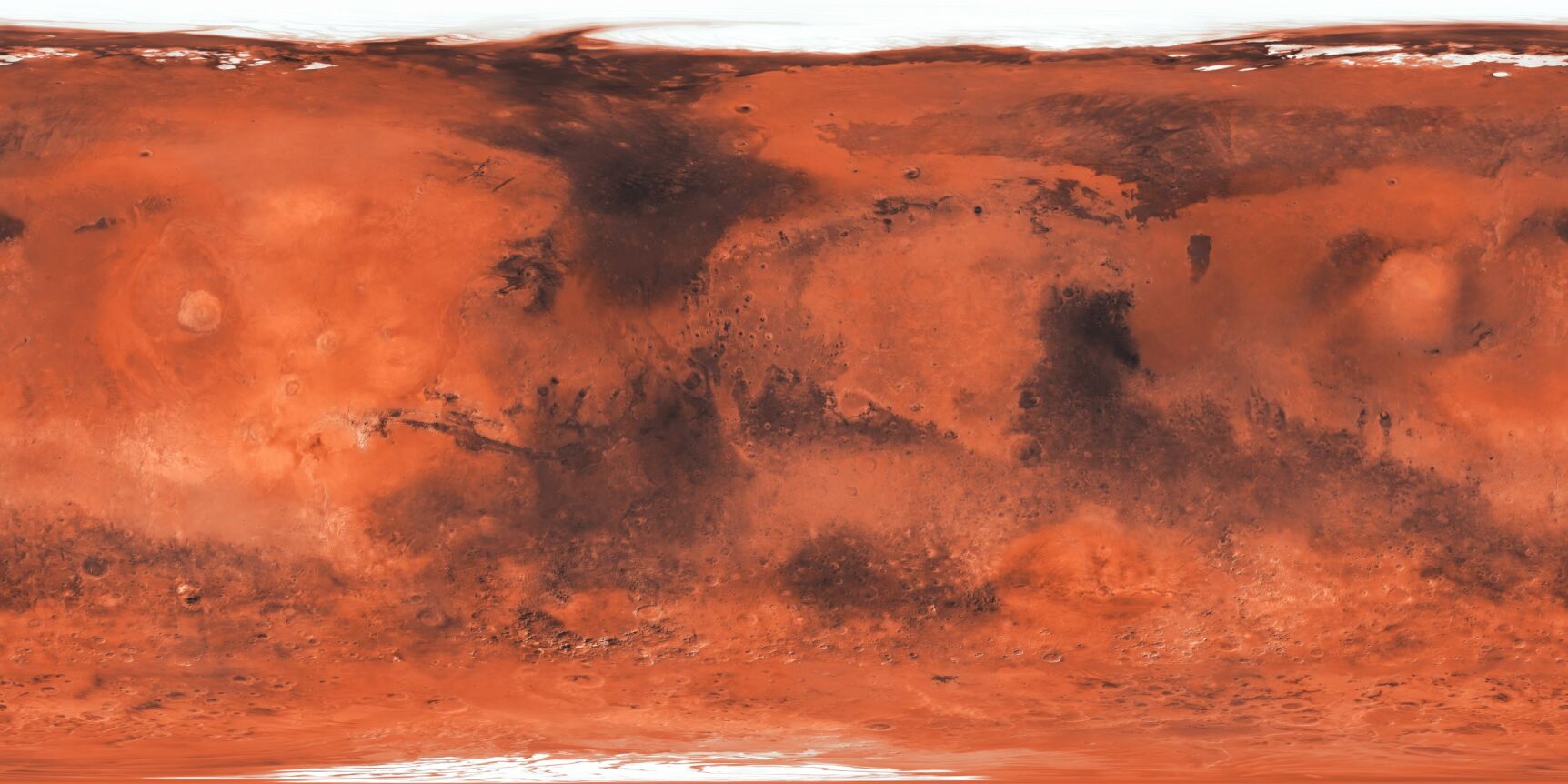
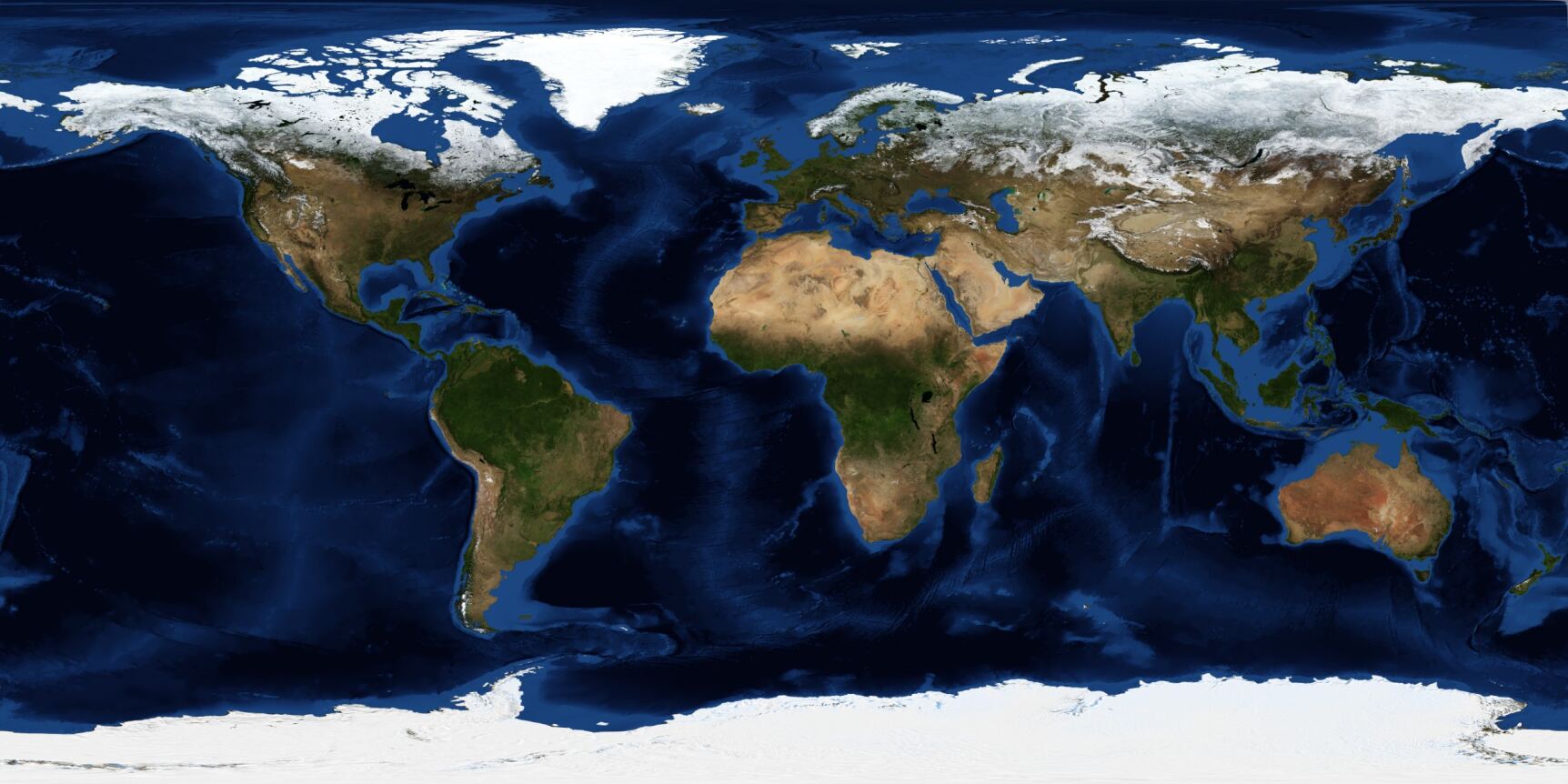
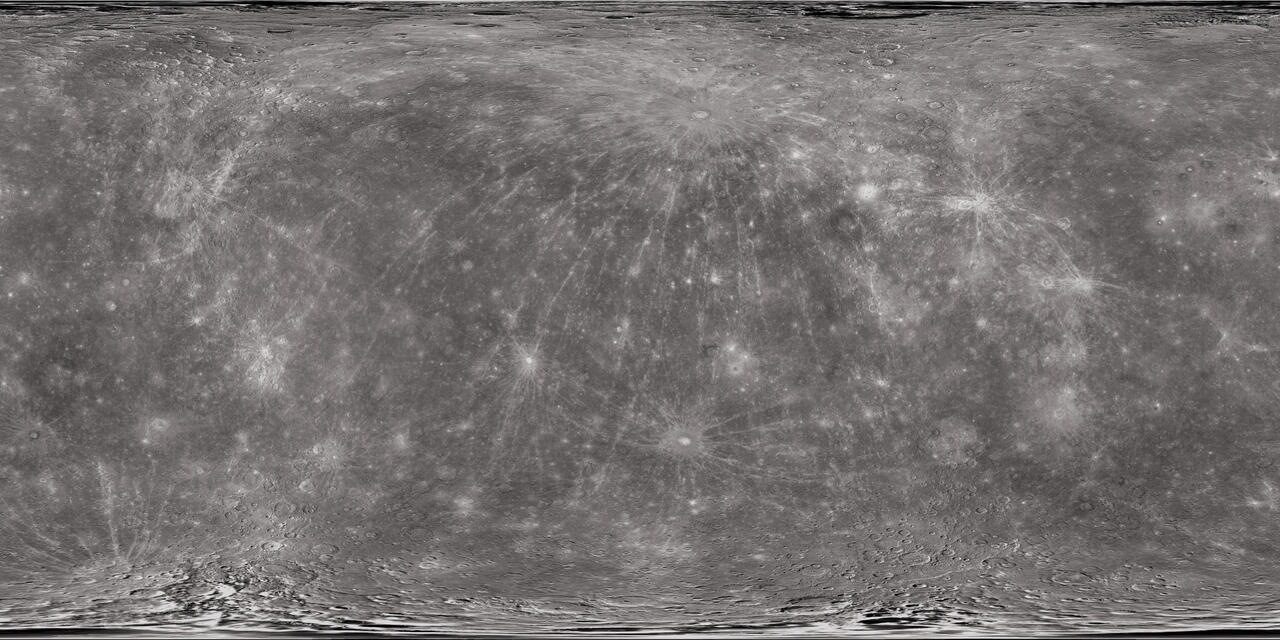
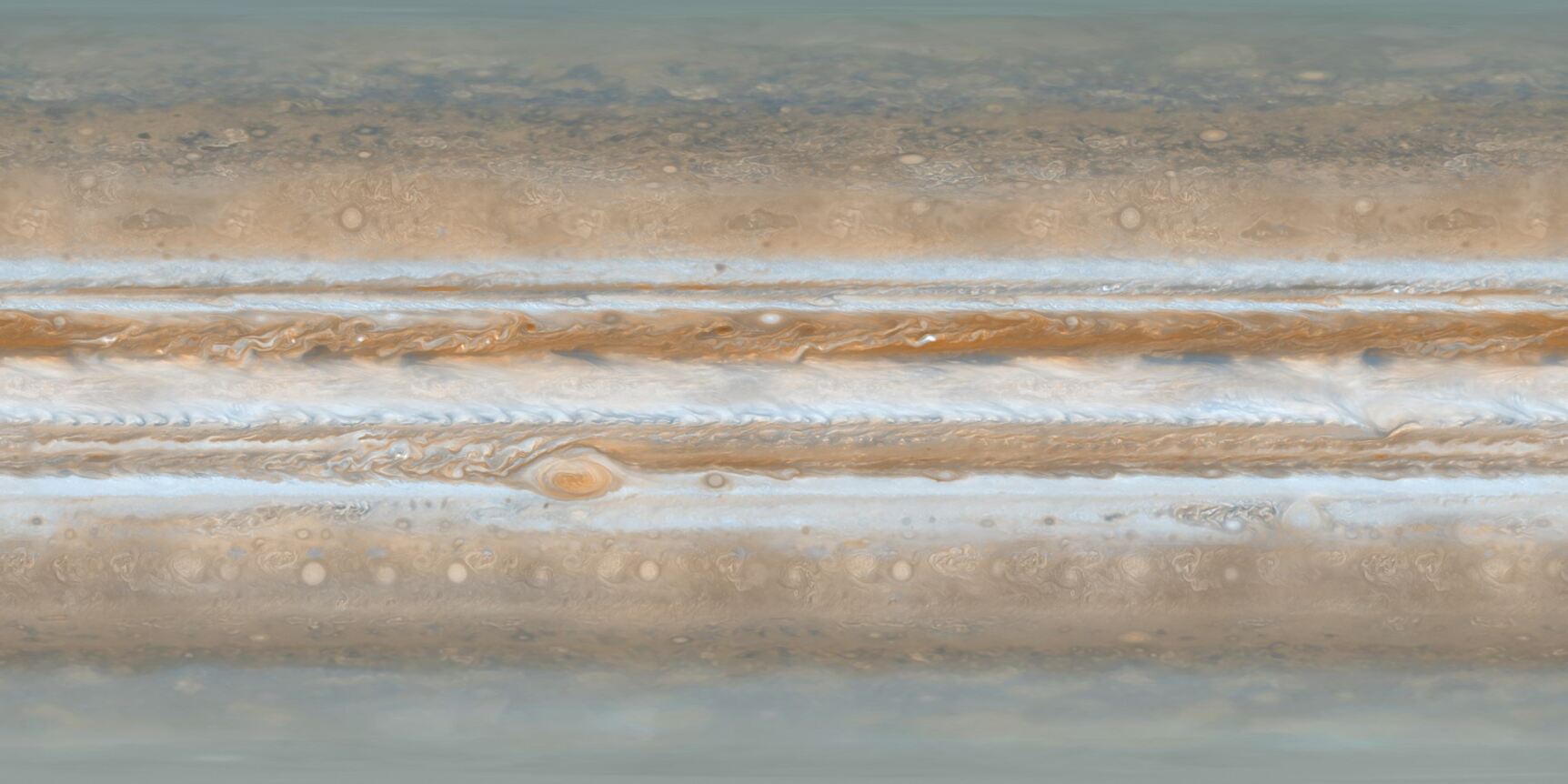
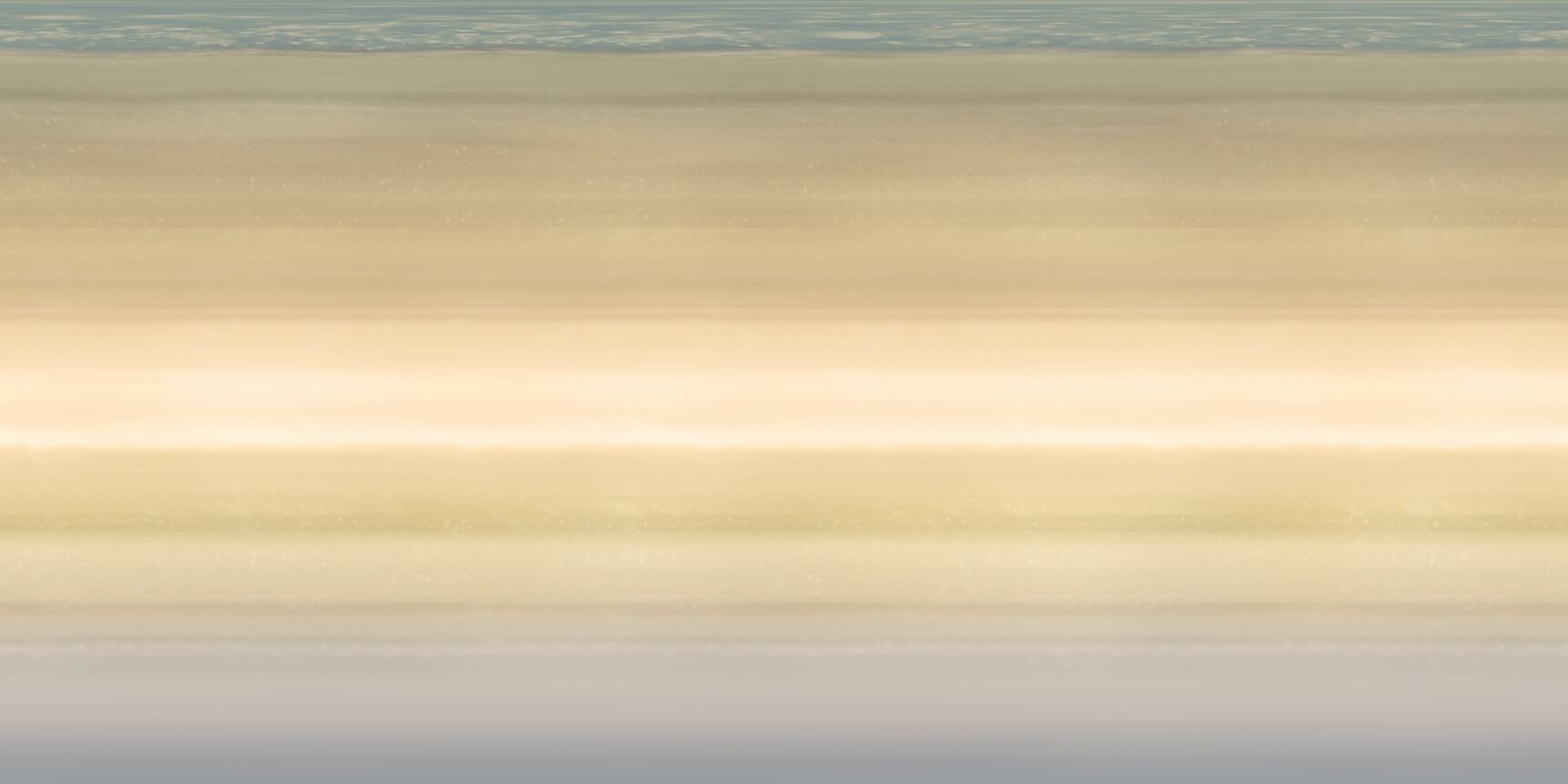
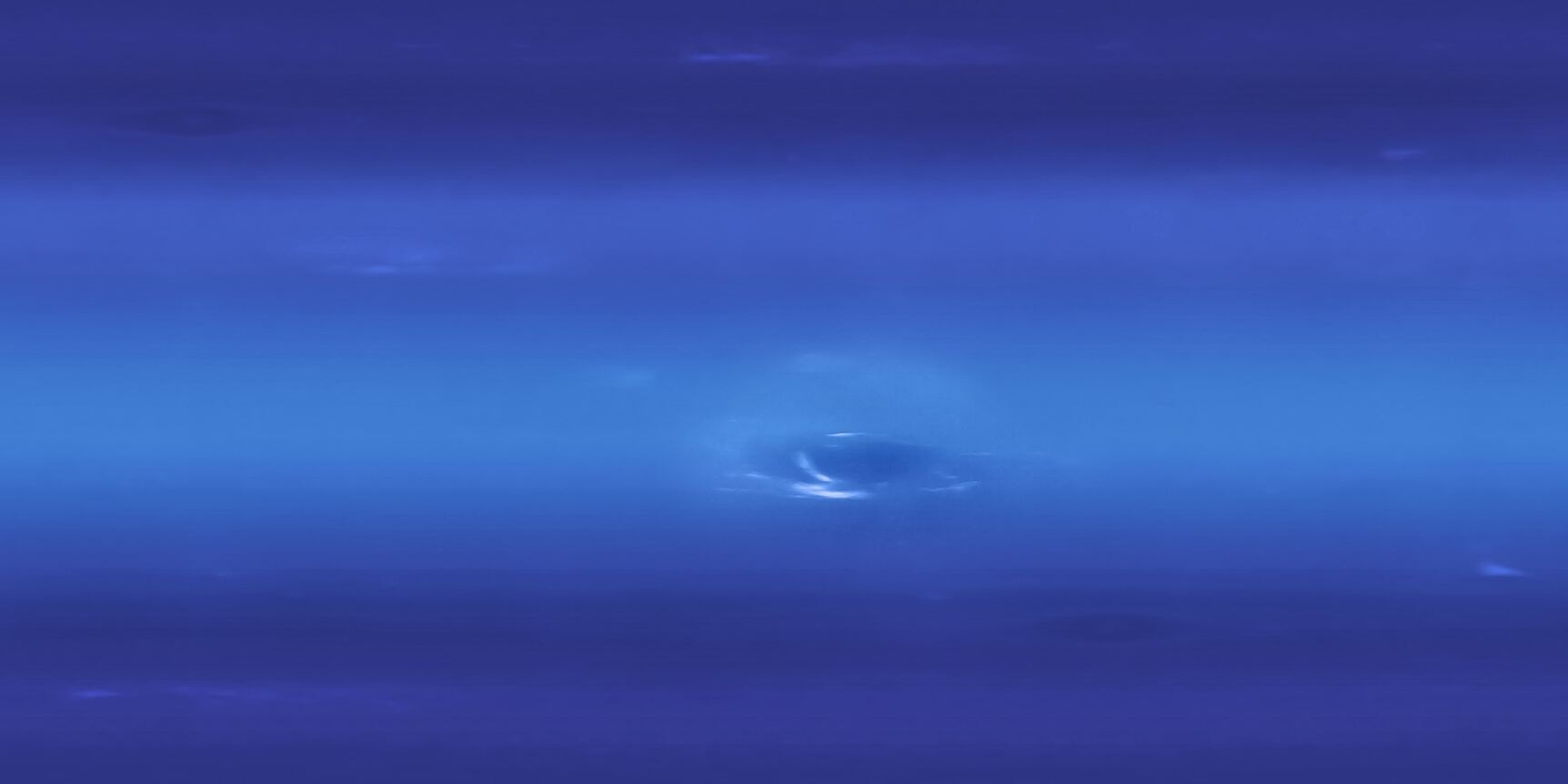
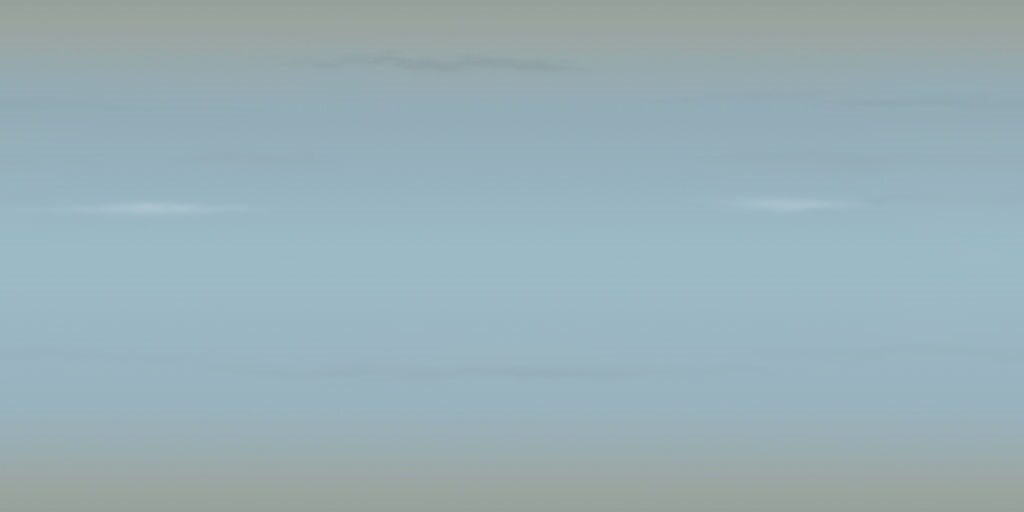
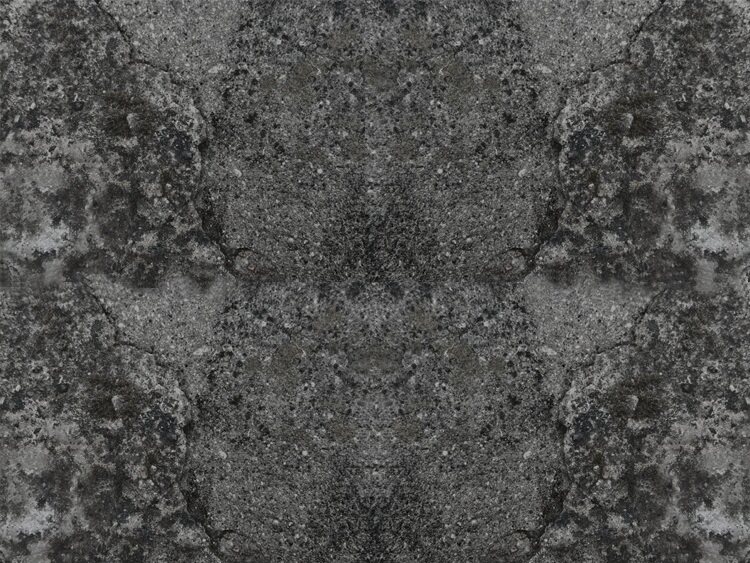
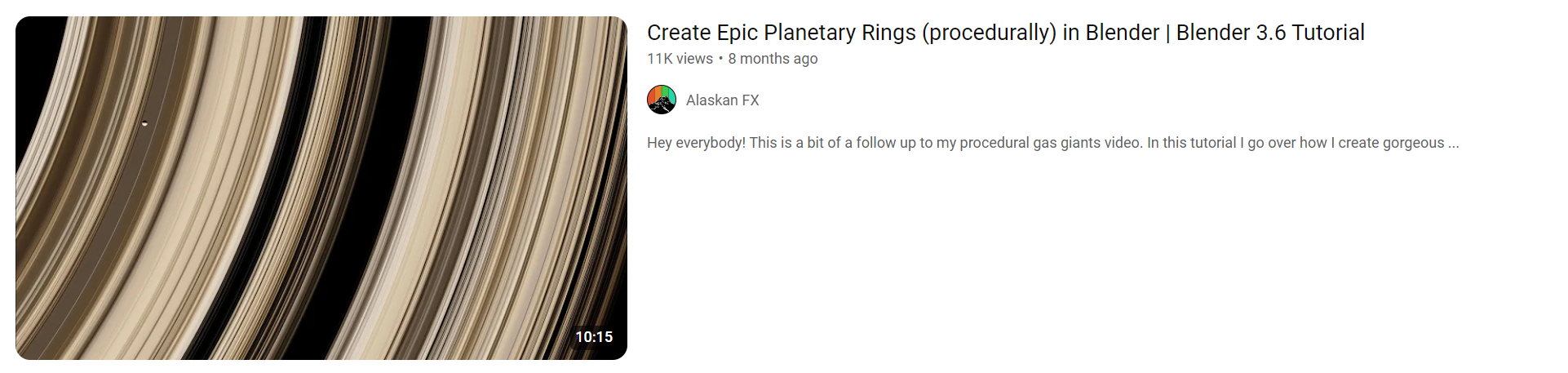
For colour I used UV wrapping to apply planetary textures from NASA to make the planets recognizable by colour and appearance i.e.; Mars as the red planet, the Sun is bright yellow. I added a glow emission to blow the colour out so the planets appeared to be emitting light. I photographed some rocks to use on the asteroids as shaders to help distinguish them from the planets and to make them more realistic. I edited it in Photoshop to form a repeat pattern to avoid glaring cuts in material. For Saturn’s rings, I used a tutorial to learn how to create a custom shader using nodes.
Reference List:
AlaskanFX (2023) Create Epic Planetary Rings (procedurally) in Blender | Blender 3.6 Tutorial [Video]. Available online: https://www.youtube.com/watch?v=-lXHSHJBo3g [Accessed: 12/04/2024]
NASA (2004) Earth Texture [Image]. Available online: https://visibleearth.nasa.gov/images/73580/january-blue-marble-next-generation-w-topography-and-bathymetry [Accessed 11/04/2024]
NASA (2006) Jupiter Texture [Image]. Available online: https://www.jpl.nasa.gov/images/pia07782-cassinis-best-maps-of-jupiter-cylindrical-map [Accessed 11/04/2024]
NASA (nd) Mars Texture [Image]. Available online: Solar Textures | Solar System Scope [Accessed 11/04/2024]
NASA (2014) Mercury Texture [Image]. Available online: https://commons.wikimedia.org/wiki/File:Solarsystemscope_texture_2k_mercury.jpg [Accessed 11/04/2024]
NASA (2014) Neptune Texture [Image]. Available online: https://commons.wikimedia.org/wiki/File:Solarsystemscope_texture_2k_neptune.jpg [Accessed 11/04/2024]
NASA (nd) Saturn Texture [Image]. Available online: Solar Textures | Solar System Scope [Accessed 11/04/2024]
NASA (nd) Sun texture [Image]. Available online: Solar Textures | Solar System Scope [Accessed 11/04/2024]
NASA (nd) Uranus Texture [Image]. Available online: Solar Textures | Solar System Scope [Accessed 11/04/2024]
NASA (2009) Venus Texture [Image]. Available online: https://nasa3d.arc.nasa.gov/detail/ven0aaa2 [Accessed 11/04/2024]
Timmers, Simone (nd) Gestalt Principles in Graphic Design [Article]. Available online: https://www.manypixels.co/blog/graphic-design/gestalt-principles [Accessed: 01/05/2024]
Tufte, Edward (1990) Envisioning Information [Quote]. [Accessed: 01/05/2024]
Tufte, Edward (1983) The Visual Display of Quantitive Information [PDF]. Available online: https://faculty.salisbury.edu/~jtanderson/teaching/cosc311/fa21/files/tufte.pdf [Accessed: 01/05/2024].