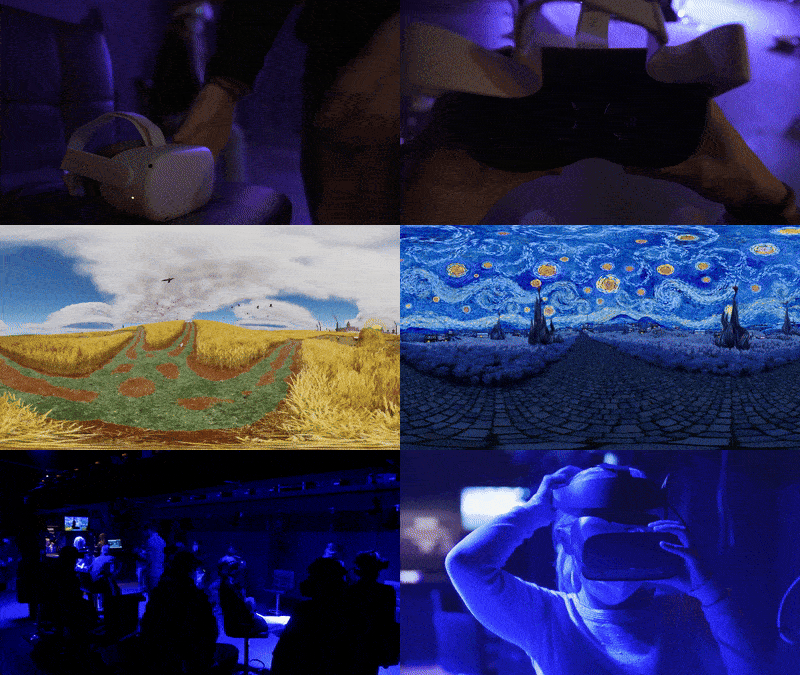
VR Immersive Art is an exciting way for users to appreciate and enjoy pieces of artwork. The technology moves the canvas from 2D to 360 degrees and transports the user into the artwork itself.
One example of VR Immersive Art is the Van Gogh Immersive Experience, which takes place across multiple cities including York, Birmingham and London. The experience ranked amongst the 12 best immersive experiences in the world according to CNN (VanGoghExperience, 2024) , and is highly praised. The experience uses a combination of 360 projection and VR, which allows the user to walk amongst the famous artworks. Spatial audio is used to further enhance the experience, adding a new layer of depth and complexity to the scene.
GIF showing the use of VR in the Van Gogh Immersive Experience
Although VR technology can provide users with a valuable experience, it is important to consider aspects such as cost. The technology itself is expensive, but you also have to take into account the cost of repairing broken items, producing VR based content, and many more. Nils Poken from the Auckland War Memorial Museum spoke about some of the challenges reffering to cost, stating;
“VR equipment itself is not cheap. In addition to this, the design and management of VR programmes can be costly. Depending on the size of the project, costs can escalate quickly. There are many factors to consider, from paying for bespoke content design to replacing broken headpieces.” (Poken, 2017)
Another thing to consider is hygiene, as many different people will be wearing the headsets. It is important to maintain cleanliness, and disinfect each headset after each individual use. This is particularly important following the COVID-19 pandemic, where users are now much more health conscious and concerned about the spread of germs.
It is also common for users to experience motion sickness when using VR headsets as they can be quite disorientating to begin with. Symptoms can be relieved in a few ways, such as using the headsets sat down, using the VR in a cool environment and ensuring the experience doesn’t have any glitchy effects which can confuse the body.
” VR motion sickness happens when your brain receives conflicting signals about movement in the environment around you, and your body’s relation to it.” (Thompson, 2024)
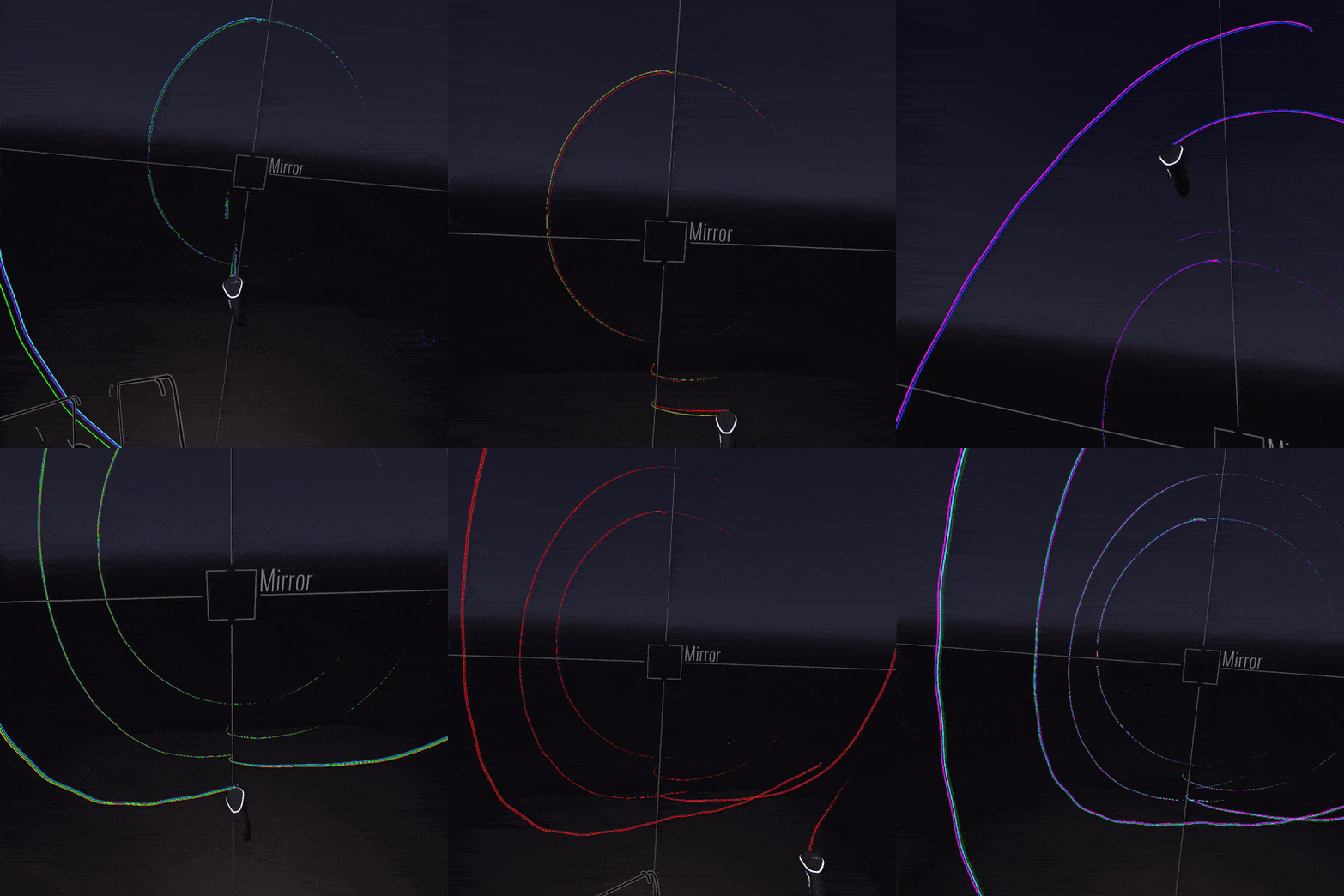
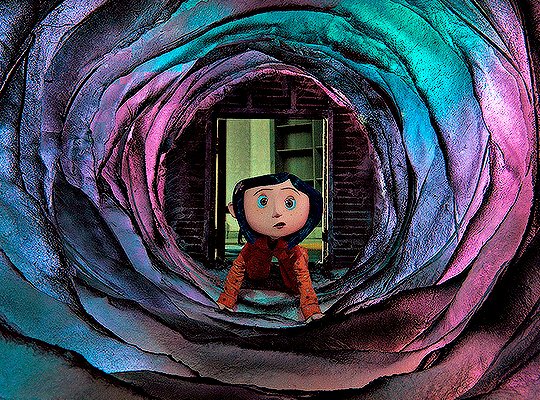
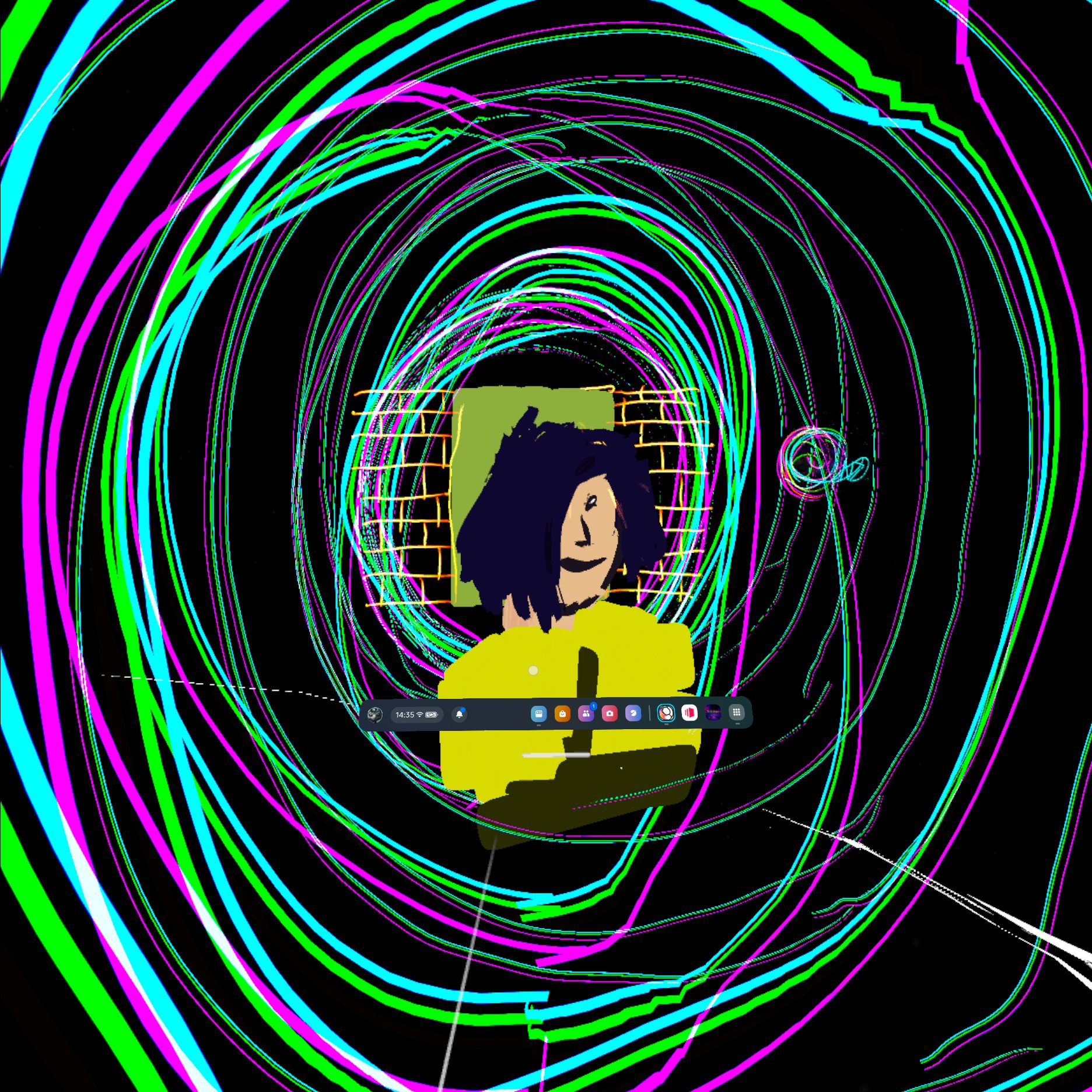
In class, we worked in teams to produce VR experiences using Meta Quest headsets and multiple software. We first used Open Brush and decided to recreate a still from Coraline. Using the headset was quite confusing as I wasn’t familiar with the interface or controls, meaning I struggled to draw. We each took it in turns to draw a section, building on from where the other left off. We were able to mirror the headsets to an iPad, where we could then direct each other on what to do. The more experienced team members were also able to direct the others on the controls, which helped a lot. Initially, we failed to consider the range of view, and we were only drawing ahead of us. Once we realized this, we began to draw all around, creating a better 360 experience
Working in Open Brush (GIF - Click to play)
Reference
Recreation
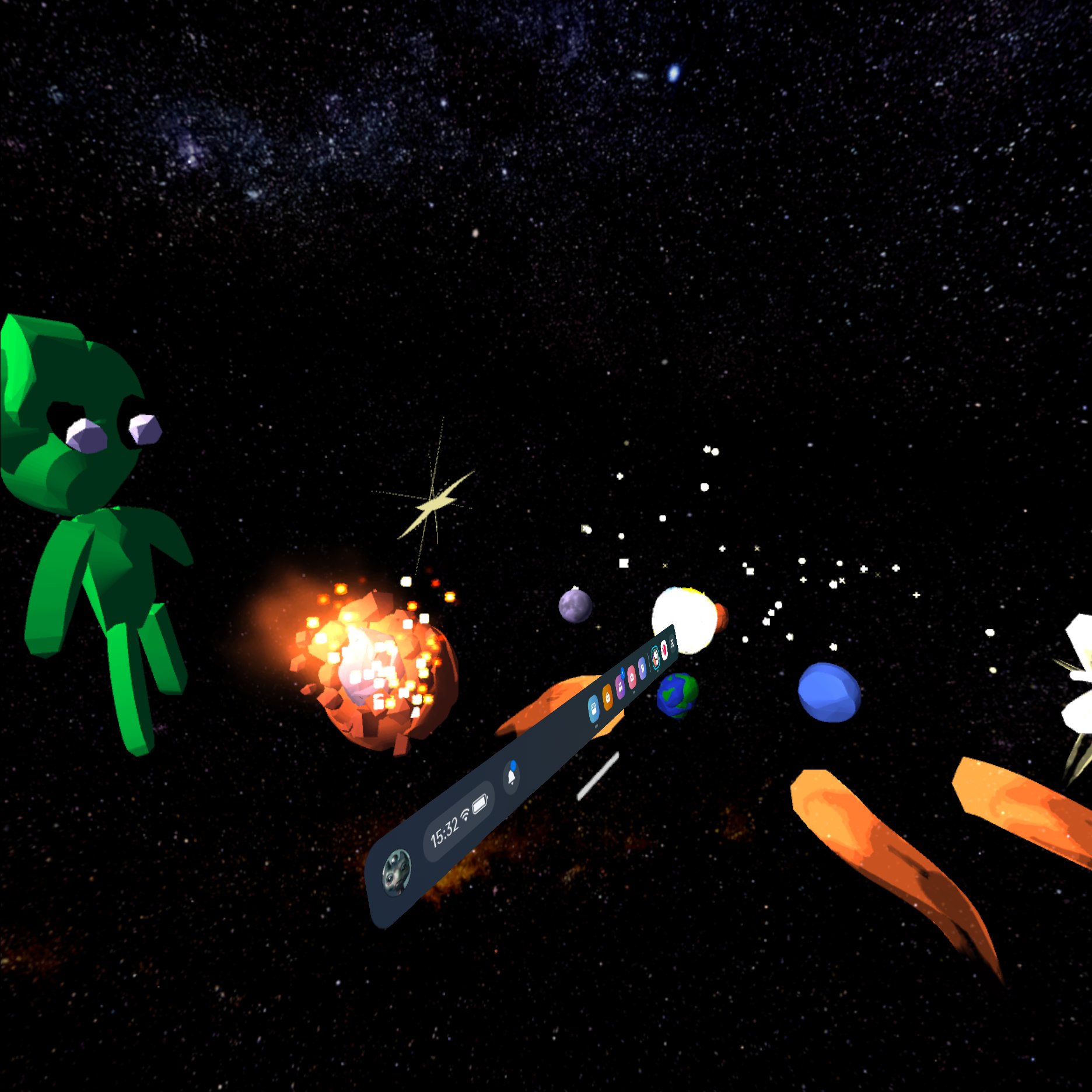
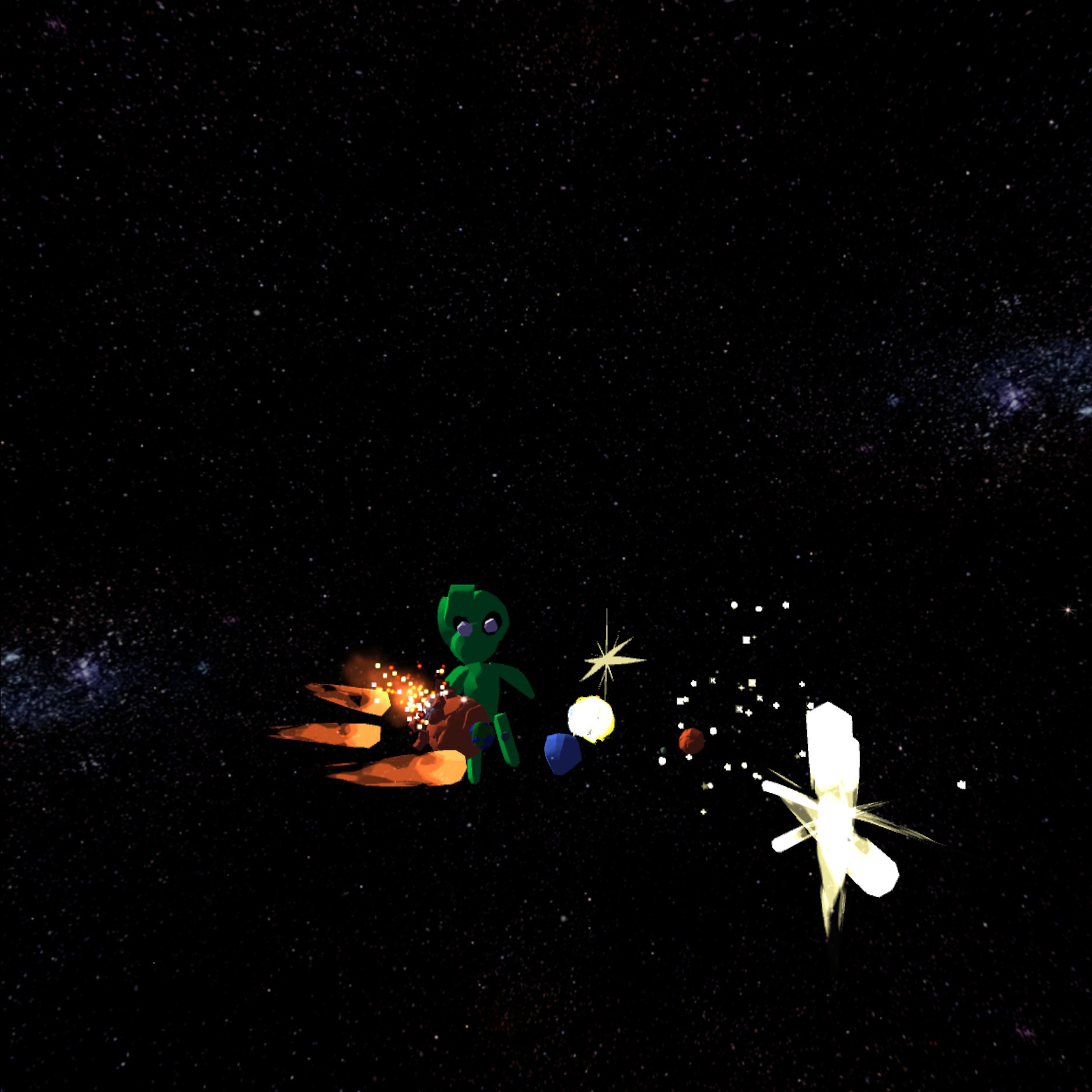
After we had took turns experimenting and getting used to the VR headsets, we decided to create another drawing in OpenBrush. We opted for a solar system and as we became more familiar with the UI, we discovered new brush styles and tools which helped us make a better drawing this time. We also realised that we could generate spherical shapes and use pre-set brushes to add in the stars, which helped simplify the process and gave us more control and precision.
You can see that our second attempt was a lot better than our first as a result.
Second OpenBrush drawing
Second Open Brush drawing
I then tried out Adobe Aero, which allows you to use geographical tracking to attach assets into the real world, which can be viewed on your device via a QR code. I made an experience that could be viewed on campus, using some of the provided assets to add trees and some clouds. I realised that you can also import your own 3D assets and use them too. I then went and captured a screen recording showing the scene outside. I think there are a lot of capabilities with Adobe Aero, as you can also add sound and interaction triggers for a more immersive experience.
Reference List:
Laika LLC (2009) Coraline [Image]. Available online: https://encrypted-tbn3.gstatic.com/images?q=tbn:ANd9GcRDZZZjjXJsVyzSgxAT-QmgCeFVsB8fa6mI3iaBZuWYjoF8Ik3p [Accessed: 17/10/2024]
Poken, Nils (2017) Virtual Reality Is A Big Trend In Museums, But What Are The Best Examples Of Museums Using VR? [Quote]. Available online: https://www.museumnext.com/article/how-museums-are-using-virtual-reality/ [Accessed: 17/10/2024]
VanGoghExperience (2024) Van Gogh Exhibit in London: The Immersive Experience [Website]. Available online: https://vangoghexpo.com/london/ [Accessed: 17/10/2024]
VanGoghExperience (2024) Van Gogh Exhibit in London: The Immersive Experience [GIF]. Available online: https://vangoghexpo.com/london/ [Accessed: 17/10/2024]
Thompson, Sophie (2024) Motion Sickness in VR: Why it happens and how to minimise it [Article]. Available online: https://virtualspeech.com/blog/motion-sickness-vr [Accessed: 17/10/024]